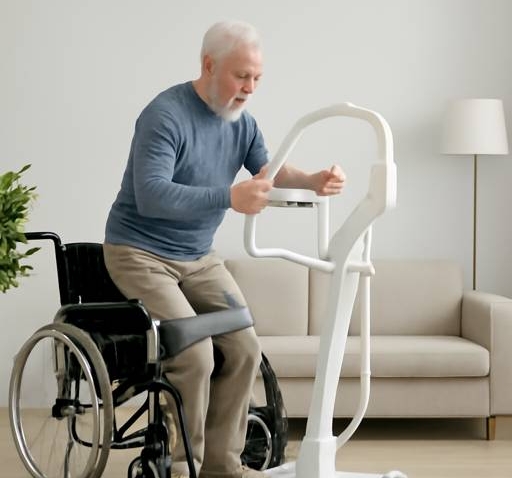
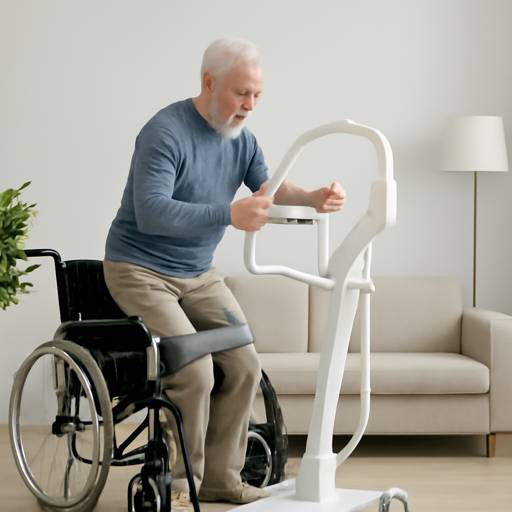
For individuals recovering from surgery, living with chronic weakness, or managing the natural effects of aging, the simple act of standing can feel like an insurmountable challenge. It is not merely about physical strength; it involves balance, coordination, and trust in one’s own body. Caregivers, too, face immense physical strain when trying to assist a loved one from a seated position. The solution lies in specialized equipment designed to bridge this gap between dependence and independence. An electric sit to stand lift provides a power-assisted method for a patient to transition from a chair, wheelchair, or bed to a standing position with controlled, steady support. Unlike manual lifts that require physical effort to operate, the electric version utilizes a motor to handle the heavy lifting, significantly reducing the risk of injury for both the patient and the caregiver. This technology is not just a convenience; it is a fundamental tool for preserving dignity, promoting circulation, and maintaining muscle engagement. By enabling partial weight-bearing transfers, these devices encourage the patient to actively participate in the movement, which is critical for rehabilitation and preventing muscle atrophy. The shift from a passive transfer to an active, assisted stand can have profound psychological benefits, restoring a sense of agency. Furthermore, the precision of an electric motor allows for smooth, jerk-free motion, which is essential for individuals with fragile bones or sensitive surgical sites. In any care setting, from a private home to a skilled nursing facility, the integration of this equipment streamlines daily routines and dramatically lowers the physical toll on the human body. Choosing the right equipment requires understanding the nuances of how these lifts operate, what safety features are paramount, and how they integrate with a specific care plan.
The Mechanics of Independence: How an Electric Sit to Stand Lift Works
To fully appreciate the value of this equipment, one must understand its core mechanical function. Unlike a full-body sling lift that cradles a completely immobile patient, the electric sit to stand lift is designed for individuals who have some core strength and weight-bearing capacity in their legs. The device typically features a padded knee block that stabilizes the patient's knees against the unit, preventing them from sliding forward. A seat or sling supports the patient’s lower back and hips. The critical component is the electric actuator, a powerful motor connected to a linear drive system. When activated, usually via a hand-held pendant or a remote control, the motor slowly extends the lift arm. This action pivots the patient forward and upward into a standing position. The process is the opposite of simply being pulled up; it is a guided, biomechanically sound movement that mimics the natural standing trajectory. The patient is encouraged to push through their feet and engage their quadriceps and glutes. This active participation helps maintain muscle function, joint mobility, and bone density. For a caregiver, the benefit is clear: they no longer need to bear the patient's weight. Instead, they can focus on guiding the patient's upper body, managing a walker, or ensuring the patient's feet are properly positioned. Many advanced models include safety features such as emergency stop buttons, manual override hand cranks in case of power failure, and spreader bars with locking mechanisms. The base of the lift is designed to roll smoothly, often with locking casters for stability during the transfer. The integration of these mechanical and electrical systems creates a predictable and safe environment for a physically vulnerable person. The selection of a unit should always consider the patient’s weight capacity, the height range of their seating surface, and the available floor space for maneuvering the base.
Optimizing Safety and Dignity in Daily Care Routines
The true value of an electric sit to stand lift extends far beyond its mechanical capability; it lies in how it integrates into the daily rhythm of care. Using a manual lift or relying on human strength often creates a sense of urgency and strain. The patient feels rushed and insecure, while the caregiver risks back injury. With an electric model, the process becomes calm and deliberate. The caregiver can position the lift, secure the patient, and press a button. The lift handles the hardest part of the work with consistent, smooth force. This reduces the anxiety that often accompanies a transfer, particularly for patients who have experienced a fall or who fear losing their balance. Furthermore, these lifts are invaluable for promoting hygiene and bowel/bladder routines. A patient can be easily transferred from a bed to a bedside commode or into a wheelchair to reach the bathroom, maintaining a level of normalcy that is often lost with total immobility. The design of the sling or vest attachment is also crucial for preserving dignity. Modern slings are made from soft, breathable materials that are easy to apply and remove. They do not require the patient to be fully undressed, and they provide ample coverage. The knee block acts as a physical guide, helping the patient feel the boundary of the lift, which is reassuring. For a caregiver, using this equipment means they can provide care for years, not weeks, as their own physical health is preserved. It empowers them to handle larger tasks with one person rather than requiring a team. In a electric sit to stand lift, the caregiver gains a reliable partner, reducing the cumulative physical load of multiple daily transfers. This leads to better outcomes, fewer work-related injuries, and a more positive environment for recovery. The investment in this technology is ultimately an investment in sustainable, compassionate care.
Real-World Impact: Case Studies in Home and Facility Care
Abstract features become powerful when viewed through the lens of real users. Consider the case of a 78-year-old man recovering from a total hip replacement. His surgeon strictly forbids bending past 90 degrees or crossing his legs for six weeks. Using a standard sling lift or manual assistance would risk violating these restrictions. A sit to stand lift, however, keeps his hips in a safe, neutral alignment while proving the vertical support needed to stand. He was able to begin standing within 24 hours of surgery, which promoted circulation and reduced the risk of blood clots. In another example, a skilled nursing facility replaced their manual standing lifts with electric models across two units. Within three months, staff-reported musculoskeletal injuries related to patient handling dropped by 60%. The facility’s physical therapists noted that residents were more willing to engage in standing exercises because the lift provided a sense of security. One resident with Parkinson's disease, who had refused to stand for weeks due to fear of freezing and falling, began participating in daily standing transfers. The smooth, consistent motion of the electric actuator gave her the confidence to bear weight through her legs. She eventually progressed to using a walker for short distances. In home care, a spouse caring for a partner with multiple sclerosis described the lift as "life-changing." Previously, the caregiver had to schedule every transfer around their own energy levels, often leading to skipped baths or prolonged bed rest. With the lift, transfers became a simple, five-minute procedure. The caregiver’s own lower back pain subsided, and the patient regained a sense of autonomy, able to stand and pivot with support rather than being carried. These examples illustrate that the device is not a substitute for nursing care but a powerful extension of it. It facilitates clinical goals like early mobilization and fall prevention while addressing the human needs for safety, comfort, and control. The adaptability of the equipment to different body types and care scenarios makes it an indispensable tool across the continuum of care, from acute rehab to long-term living.