


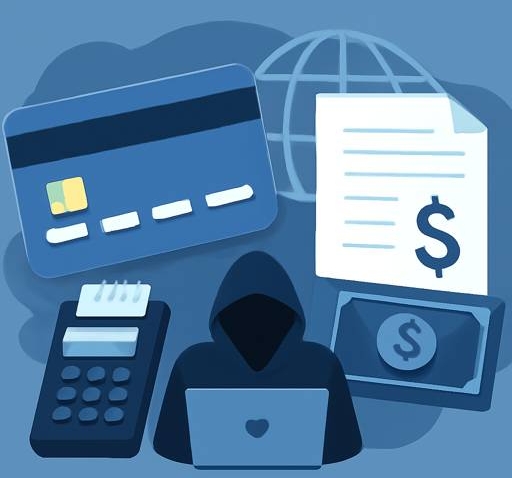
The Underground Economy of Digital Payments: Understanding Cvv Shops, Non VBV Bins, and More
The digital payment landscape has transformed global commerce, but it has also given rise to a parallel economy built on compromised financial data. Terms like Cvv shops, Non vbv bins, Linkable cards, and Cardable sites are frequently encountered in forums and marketplaces that operate outside legal boundaries. Understanding these concepts is essential for cybersecurity professionals, e-commerce operators, and anyone seeking to protect their financial assets. This article provides a deep dive into each element, explaining how they function, why they persist, and what risks they pose to both individuals and businesses.
The allure of quick profits drives a shadow industry where stolen credit card details are bought, sold, and tested. Cvv shops act as centralized platforms for these transactions, while Non vbv bins refer to specific card number ranges that bypass additional authentication checks. Linkable cards are cards that can be easily associated with a specific bank or issuer for repeated use, and Cardable sites are online stores vulnerable to fraudulent transactions. Each component plays a distinct role in the lifecycle of card fraud, from data acquisition to monetization. By examining these elements in detail, we can better understand the mechanics behind this illicit ecosystem.
What Are Cvv Shops and How Do They Operate?
Cvv shops are online marketplaces where stolen credit and debit card information is sold. The term "CVV" refers to the three- or four-digit security code printed on the back of a card, which is often required for card-not-present transactions. In these shops, a single card entry typically includes the full card number, expiration date, CVV code, and sometimes the cardholder’s name, billing address, and phone number. Prices vary depending on the card’s balance, bank reputation, and geographic origin. Premium cards from high-income countries or business accounts can fetch significantly higher prices.
The operation of a Cvv shop mirrors a legitimate e-commerce site, but with anonymity tools like Tor or VPNs used to mask the location of the server and its users. Payment is often accepted in cryptocurrencies such as Bitcoin or Monero to avoid detection. Many shops employ a rating system, where buyers leave feedback on the validity of the cards they purchase. Some even offer refunds or replacements for "dead" cards that no longer work, creating a semblance of customer service. The inventory in these shops is sourced from various breaches, including phishing campaigns, point-of-sale malware, and data leaks from financial institutions.
The lifecycle of a card in a Cvv shop is short. Once a card is listed, fraudsters use it to make high-value purchases or cash out through gift cards and money transfer services. The speed of this process is critical because banks often detect unusual activity within hours. To maximize profit, automated bots are employed to check the validity of thousands of cards against small test transactions before they are sold. These checks, called "carding," involve submitting the card details to a payment gateway and observing the response. A successful authorization confirms the card is active, and it is then packaged for sale. The existence of these shops underscores the persistent demand for compromised financial data and the sophisticated infrastructure supporting it.
The Role of Non VBV Bins in Cardable Sites
A Non vbv bin refers to a bank identification number (the first six digits of a card) that is not enrolled in Verified by Visa or Mastercard SecureCode – the 3D Secure authentication protocols. Without VBV, the card issuer does not require an additional password or one-time code from the cardholder during an online transaction. This makes such cards highly desirable for fraudsters because they can complete purchases without the extra verification step. For example, a buyer at a Cvv shop will specifically search for bins that are known to be non-VBV to ensure a frictionless checkout at cardable sites.
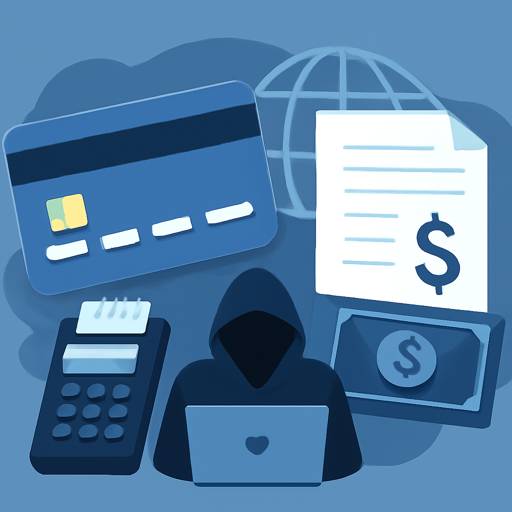
The concept of Non vbv bins is tightly linked to the vulnerability of payment systems. Banks in some countries or regions have historically been slower to adopt 3D Secure, leaving their cardholders exposed. However, it is important to note that "non-VBV" is not a permanent state; banks can activate VBV at any time. Therefore, criminal communities continuously update their databases of bins, sharing information on which bins are currently bypassing authentication. Cardable sites – e-commerce stores with weak anti-fraud defenses – are the primary targets for these cards. These sites often lack CVV verification, address validation, or velocity checks, allowing multiple transactions to go through before being flagged.
Real-world case studies illustrate the impact. In one known incident, a large online electronics retailer suffered a $2 million loss over two weeks because its payment gateway did not enforce VBV checks for international orders. Fraudsters used a list of Non vbv bins sourced from a carding forum, combined with stolen card details from a recent data breach, to purchase high-end laptops and smartphones. The orders were shipped to drop addresses – vacant houses or unsuspecting individuals – and then resold. The retailer’s recovery was complicated by the fact that the cardholders themselves were unaware until their monthly statements arrived. This example shows how Non vbv bins, when combined with Cvv shops and poor merchant practices, create a perfect storm for fraud.
To stay ahead, security researchers and payment networks actively monitor these bins. Merchants are advised to implement additional layers such as IP geolocation checks, device fingerprinting, and manual review of high-value orders. Yet as long as some banks delay VBV adoption and some sites ignore best practices, the demand for Non vbv bins will persist. For those seeking current intelligence on such vulnerabilities, sources like Non vbv bins occasionally aggregate information – though such sources must be approached with extreme caution and are not endorsed for illegal activity.
Linkable Cards and the Evolution of Fraud Techniques
Linkable cards are credit or debit cards that can be tied to a specific account or financial institution through consistent patterns in their numbering or transaction history. In the underground, a "linkable" card often means that after a successful transaction, the fraudster can reliably use the same card again without triggering a decline. This is particularly valuable for subscription services, digital goods, or recurring billing. Linkable cards are not necessarily stolen; they may be issued by banks with poor fraud detection systems, or they could be prepaid cards that are easy to reload via compromised accounts.
The evolution of fraud techniques has made Linkable cards a cornerstone of automated card testing. Bots that perform "carding" not only check if a card is alive but also determine its "linkability" by attempting multiple small charges. A card that consistently passes these tests is flagged as linkable and sold at a premium in Cvv shops. Moreover, some fraudsters build "cardable sites" specifically designed to accept linkable cards for services like VPN accounts, streaming subscriptions, or phone credits. These sites operate on a thin margin, relying on high volume – until the payment processor issues a chargeback flood and shuts down the merchant account.
Another emerging trend is the use of Linkable cards in combination with social engineering. For instance, a fraudster might create a fake business that accepts card payments for a low-cost digital product, then use that transaction to verify the linkability of a batch of cards. The verified cards are then resold to other criminals who use them for larger purchases. This creates a layered supply chain where the original cardholder’s identity is obscured through multiple transactions. The rise of EMV chip technology in physical stores has pushed more fraud toward card-not-present scenarios, making linkability an even more critical factor in the underground economy.
Defending against Linkable cards requires a shift from static security measures to adaptive threat detection. Machine learning models that analyze transaction velocity, device history, and behavioral biometrics can identify patterns that indicate a single card being used by multiple entities or across unrelated merchants. Additionally, real-time bin databases that flag newly discovered linkable card ranges help merchants block them before the first transaction completes. While the cat-and-mouse game continues, understanding the mechanics of Linkable cards and Cardable sites is the first step toward building more resilient payment systems.
